

Category: Action, Animation
Written By: Shamar (Vibez) Binns Date: 9/10/25
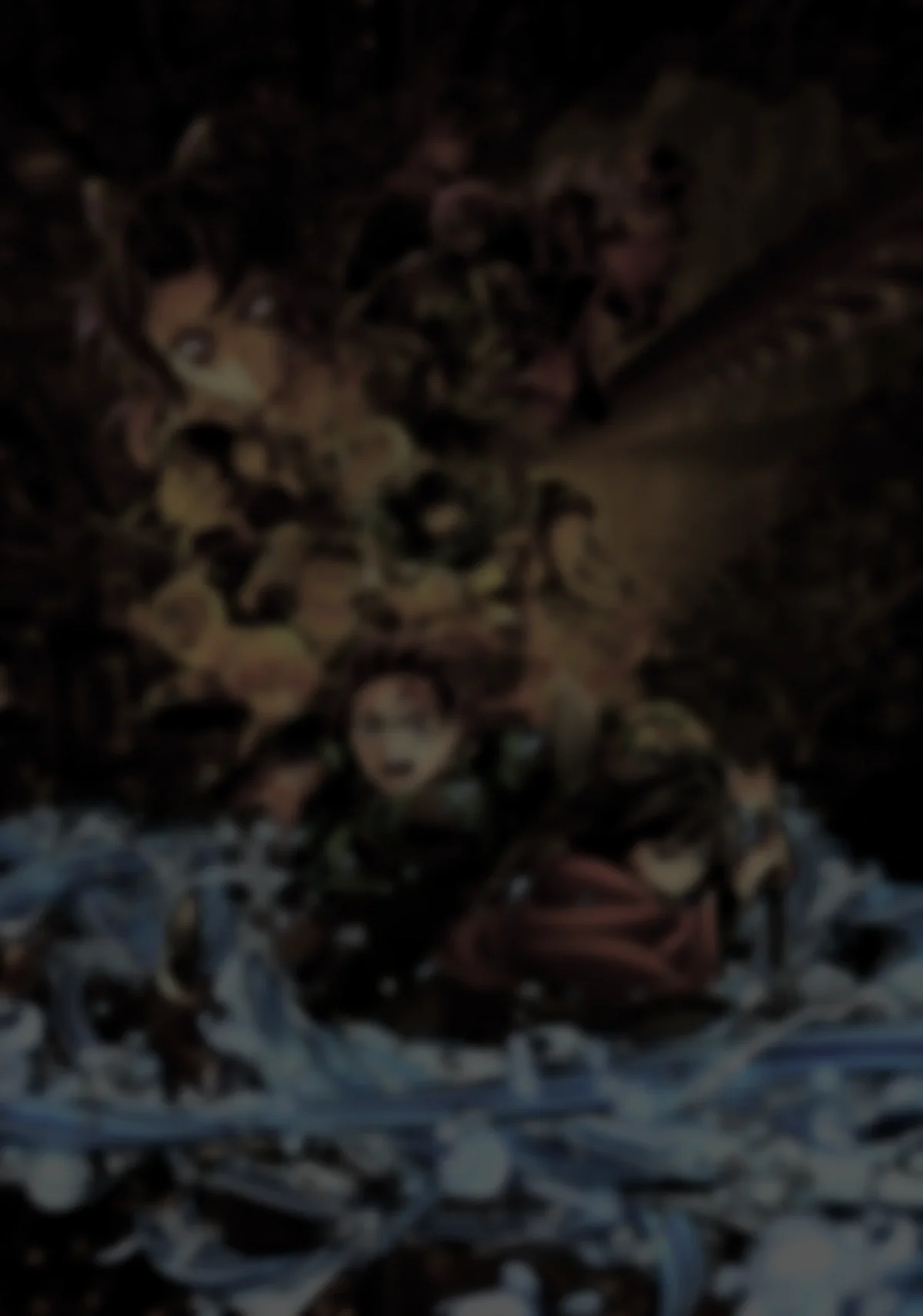
Demon Slayer: Kimetsu no Yaiba – The Movie: Infinity Castle
Last week, I had the wonderful opportunity to attend the red-carpet premiere of the English-dubbed release of Demon Slayer: Kimetsu no Yaiba – The Movie: Infinity Castle. As a longtime fan of the series, I walked into the theater with extremely high expectations. I am happy to say that this movie did not disappoint. Infinity Castle is everything Demon Slayer fans have been waiting for and more.
Demon Slayer: Infinity Castle, Part One is an absolute spectacle and a masterclass in anime filmmaking. At approximately two hours and 35 minutes, the film manages to feel like an entire season of the series condensed into one massive cinematic experience. From its opening moments, the movie throws the audience into the most dangerous stage of the Demon Slayer Corps’ journey, creating a nonstop combination of action, emotion, tragedy, and breathtaking animation.
The story continues directly after the events of the Hashira Training Arc, with Tanjiro, the Hashira, and the remaining members of the Demon Slayer Corps being pulled into the Infinity Castle. This is no longer another mission or training exercise. The final battle has officially begun, and every character understands that they may not make it out alive. That sense of danger can be felt throughout the entire film.
Director Haruo Sotozaki deserves tremendous credit for transforming this important section of Koyoharu Gotouge’s story into a true theatrical event. Having directed Demon Slayer since the beginning of the anime adaptation, Sotozaki clearly understands these characters, their relationships, and the emotional weight behind every confrontation. His direction allows the film to feel larger than the television series without losing the heart that made audiences connect with Demon Slayer in the first place.
One of Sotozaki’s greatest accomplishments is his ability to control the movie’s enormous scale. Infinity Castle includes multiple characters, locations, battles, flashbacks, and emotional storylines happening throughout the same constantly shifting environment. A less experienced director could have allowed the movie to become confusing or exhausting. Instead, Sotozaki keeps each storyline visually distinct while making every battle feel connected to the larger war against Muzan and the Upper Rank demons.
The Infinity Castle itself becomes more than a location. It feels like a living character that is constantly changing, twisting, and separating the Demon Slayers from one another. Rooms rotate without warning, hallways stretch into impossible spaces, and characters fall through a world that appears to have no beginning or end. Sotozaki uses this environment to create a constant sense of uncertainty. Nobody knows where they will land, which enemy they will face, or whether help will ever arrive.
Ufotable’s animation is nothing short of phenomenal. If the television series impressed you, the leap to the big screen will leave you speechless. Every battle is filled with intensity, creativity, and emotion, but the animation takes each confrontation to an entirely different level. The movements are incredibly fluid, the character expressions are detailed, and the Breathing Style techniques explode across the screen with unbelievable color and energy.
The film blends traditional character animation with digital environments in a way that makes the Infinity Castle feel endless. The camera moves through rooms, hallways, and open spaces with a freedom that would be nearly impossible to accomplish in live action. Instead of simply watching two characters exchange attacks, we are pulled directly into the movement of each battle. The perspective shifts, the environment changes, and every strike carries an incredible sense of speed and force.
What makes the action so effective is that it never exists only for visual spectacle. Every battle is connected to a character’s history, trauma, motivation, or personal growth. The swords and supernatural abilities may attract your attention, but the emotions behind them are what make these confrontations unforgettable. Demon Slayer has always understood that its villains were once human, and this movie continues exploring the pain, loss, and decisions that transformed them into demons.
The film takes time to show that these battles are not simply about defeating an enemy. They are confrontations between different beliefs about strength, family, mortality, and what it means to remain human. Even when the movie reveals the past of a demon responsible for terrible actions, it does not necessarily ask the audience to excuse that behavior. Instead, it allows us to understand how suffering can shape someone without erasing the harm they caused. That emotional complexity remains one of the franchise’s greatest strengths.
The character development is just as powerful as the animation. We have followed many of these characters since the beginning of the anime, watching them grow from frightened and inexperienced fighters into warriors willing to sacrifice everything. Infinity Castle rewards that emotional investment by allowing several characters to demonstrate how much they have changed. Their growth feels natural because it is connected to everything they have survived throughout the series.
Tanjiro continues to be the emotional heart of the story. His kindness has never made him weak. Instead, his compassion gives him the strength to understand suffering while still standing against evil. In this film, however, that kindness is combined with a new level of determination. Tanjiro understands the seriousness of the battle ahead, and his development as a swordsman is reflected in both his fighting ability and emotional maturity.
The Hashira also receive opportunities to demonstrate why they are considered the strongest members of the Demon Slayer Corps. Each of them has a different personality, fighting style, and reason for joining this war. The movie allows their individual strengths to shine without making them feel invincible. They may possess extraordinary abilities, but they are still human beings fighting enemies whose power pushes them beyond their physical and emotional limits.
The sound design and music make the theatrical experience even more powerful. Every sword strike, explosion, impact, and movement echoes through the theater. The score knows exactly when to become overwhelming and when to become quiet, allowing the audience to focus on a character’s grief or determination. The combination of sound and animation makes each major sequence feel monumental. This is absolutely a movie that deserves to be experienced on the largest screen possible.
The English dub cast also delivers powerful performances that match the emotional intensity of the animation. The actors capture the exhaustion, anger, fear, heartbreak, and determination of their characters without making the dialogue feel disconnected from the action. Attending the English-dub premiere made the experience even more special because I was able to appreciate how much work went into adapting these performances for English-speaking audiences.
Despite its lengthy runtime, the movie rarely feels slow. There is always another discovery, emotional revelation, or battle moving the story forward. However, the film still understands when to pause and allow an important moment to have an impact. Those quieter scenes are necessary because they give meaning to the action. Without those emotional breaks, the battles could have become overwhelming, but the movie maintains an impressive balance.
Infinity Castle also carries the weight of everything that came before it. Relationships, promises, losses, and lessons from earlier seasons return with greater meaning. Longtime fans will recognize how certain moments reflect the growth of these characters and the sacrifices that brought them into the castle. The movie rewards viewers who have remained invested in the journey from the beginning.
Although the film ends with a cliffhanger leading into the next chapter, it does not feel like the story suddenly stops. Part One completes a major emotional section of the Infinity Castle storyline while making it clear that the war is far from over. The ending gives the audience enough closure to feel satisfied while building tremendous anticipation for what comes next.
That balance is extremely important for the first installment of a planned trilogy. The movie needed to establish the scale of the Infinity Castle, deliver meaningful battles, develop its characters, and leave audiences excited for Part Two. It accomplishes all of those goals without feeling like an extended trailer for the next film. Part One stands as a powerful cinematic experience on its own.
In every sense, Demon Slayer: Infinity Castle, Part One delivers on its promise. Haruo Sotozaki’s direction, Ufotable’s groundbreaking animation, the powerful voice performances, emotional storytelling, music, and unforgettable action sequences come together to create something truly special. It is bold, beautiful, heartbreaking, and emotionally charged.
Demon Slayer has already raised expectations for what television anime can accomplish, but Infinity Castle raises that standard again for anime on the big screen. This is not simply a collection of episodes placed inside a theater. It feels designed for the cinematic format, using the scale, sound, and visual freedom of the big screen to create an experience that could not feel the same anywhere else.
Demon Slayer: Infinity Castle, Part One is a five-star experience and one of the most visually impressive anime films I have ever seen. It honors the journey that brought these characters here while preparing audiences for the final battles still to come. If this is only the beginning of the Infinity Castle trilogy, I cannot wait to see how much further the filmmakers are willing to go.