
Category: Action, Adventure
Written By: Shamar (Vibez) Binns Date: 02/13/25
Captain America: Brave New World
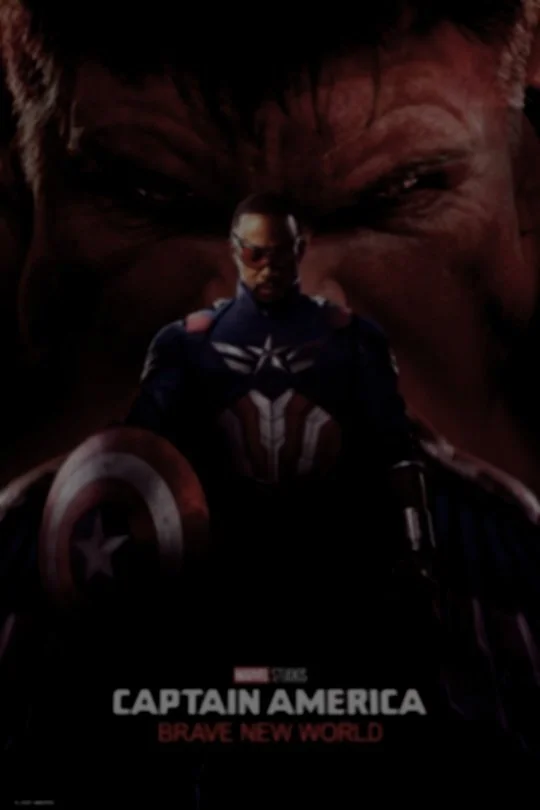
Captain America: Brave New World opens a bold new chapter in the MCU, with Sam Wilson fully stepping into his position as Captain America and Joaquin Torres following in his footsteps as the new Falcon. Rather than attempting to recreate the relationship between Steve Rogers and Sam, the film establishes a new partnership built around leadership, mentorship, and the responsibility of carrying a heroic legacy forward.
At its core, Brave New World is a story about identity. Sam has inherited one of the most important symbols in the world, but he must learn how to represent that symbol without losing himself. He respects everything Steve Rogers accomplished, yet he understands that wearing the shield does not require him to become another version of Steve. Sam must determine what Captain America represents through his own experiences, beliefs, and connection to the people he protects.
That journey becomes even more meaningful because Sam does not possess the Super Soldier Serum. He enters every battle knowing that he can be injured or killed far more easily than Steve could. His strength comes from his training, intelligence, wings, courage, and refusal to abandon people in danger. The film never ignores the physical difference between the two Captain Americas, but it also refuses to suggest that Sam is less deserving of the title.
Anthony Mackie brings confidence, humor, vulnerability, and humanity to the role. His Sam Wilson does not lead through physical superiority. He leads through empathy and his ability to understand people, including those who have made serious mistakes. His background as a counselor remains an important part of his character because Sam recognizes that listening can sometimes be more powerful than fighting.
Director Julius Onah understands that Sam’s first solo theatrical adventure as Captain America must establish him as more than Steve Rogers’ replacement. His direction places Sam inside a political conspiracy where strength alone cannot solve the problem. Sam must investigate hidden motives, question powerful institutions, and determine whom he can trust while the world watches every decision he makes.
Onah draws inspiration from the political-thriller side of the Captain America franchise. The film contains government conspiracies, international tension, assassination attempts, mind control, and secrets connected to earlier chapters of the MCU. This approach gives Brave New World a grounded sense of danger, even when the story eventually introduces characters as powerful as Red Hulk.
The return of Isaiah Bradley adds emotional weight to Sam’s journey. Isaiah represents the painful history hidden behind the Captain America symbol, particularly the way Black soldiers have been used, mistreated, and erased by the same institutions they served. When Isaiah becomes involved in the conspiracy, Sam’s mission becomes deeply personal. He is not only trying to stop a global crisis; he is fighting to protect a man whose suffering was ignored for decades.
Carl Lumbly once again delivers a powerful performance as Isaiah. His presence reminds the audience that heroic symbols can carry both inspiration and trauma. Isaiah’s experiences do not erase what Captain America represents, but they force Sam to confront the responsibility of wearing that symbol as a Black man in America.
Danny Ramirez brings charm and determination to Joaquin Torres. His relationship with Sam mirrors parts of the friendship between Steve and Sam, but the dynamic is now reversed. Sam has become the experienced hero responsible for preparing someone else for the danger ahead. That evolution demonstrates how far Sam has come since his introduction in Captain America: The Winter Soldier.
Joaquin is enthusiastic and courageous, but he is still learning. Sam must guide him without preventing him from becoming his own version of Falcon. Their partnership allows audiences to see Sam not only as Captain America, but also as a mentor capable of inspiring the next generation of heroes.
President Thaddeus Ross provides the other major emotional journey within the film. After years of conflict stretching back to The Incredible Hulk and Captain America: Civil War, Ross is attempting to present himself as a changed man. Now serving as President of the United States, he wants to repair his legacy, rebuild damaged relationships, and prove that he can become something better than the controlling military figure audiences once knew.
Harrison Ford brings authority, stubbornness, regret, and vulnerability to Ross. He makes the character feel powerful even before the transformation into Red Hulk. Ross wants redemption, but he still struggles with pride and the desire to control how others view him. His inability to fully confront his past creates an opening for that past to be weaponized against him.
The relationship between Sam and Ross becomes one of the film’s most interesting elements. Ross wants Captain America working beside the government, while Sam understands the danger of allowing the shield to become a political tool. Sam is willing to cooperate, but he will not surrender his independence or blindly follow orders. That tension continues one of the franchise’s biggest questions: Should Captain America serve the government, or should he serve the people?
Tim Blake Nelson’s return as Samuel Sterns, also known as the Leader, finally continues a storyline left unresolved since The Incredible Hulk. Sterns is not a traditional villain who depends on physical strength. He manipulates people, memories, emotions, and political events from behind the scenes. His intelligence makes him dangerous because much of the conflict unfolds according to a plan that has been developing for years.
The Leader and Ross function as morally complicated opposites. Ross wants to escape his past without fully accepting responsibility for it, while Sterns has allowed years of anger and resentment to consume him. Both men believe they have been wronged, but the choices they make reveal very different responses to suffering. Their conflict forces the audience to consider whether redemption is possible without accountability.
Giancarlo Esposito also brings a threatening presence as Sidewinder. Although his role is smaller than those of the central villains, he adds a grounded physical danger to the conspiracy. His character gives Sam an opponent who can challenge him before the conflict grows into something much larger.
The Red Hulk is one of the movie’s biggest attractions, and the transformation delivers an exciting clash between two very different kinds of strength. Red Hulk represents uncontrolled anger, physical power, and the consequences of Ross losing control of the identity he has worked to rebuild. Sam cannot defeat that threat by simply becoming stronger. He must rely on strategy, compassion, and his understanding of the person trapped inside the monster.
That approach reinforces the film’s central message. Sam’s greatest ability is not throwing the shield or flying through the air. It is his capacity to recognize the humanity inside someone, even during their worst moment. He understands that saving the world and saving the person threatening it do not always have to be separate goals.
The action sequences make strong use of Sam’s wings and shield. His fighting style is completely different from Steve’s because it combines aerial movement, technology, speed, and close-range combat. The film allows him to use the environment creatively, giving this Captain America his own visual identity rather than copying the action from earlier movies.
Brave New World is not flawless. The political mystery introduces several characters, historical connections, and competing motivations within a relatively short amount of time. Some of those ideas move too quickly and could have benefited from additional development. The final act also shifts from a grounded conspiracy thriller into a much larger superhero confrontation, creating a noticeable change in tone.
However, those weaknesses did not prevent me from enjoying the movie. While some critics were extremely harsh, I found Brave New World refreshingly entertaining and more thoughtful than it was given credit for. T he story understands that Sam is not a carbon copy of Steve Rogers, and it treats that difference as a strength rather than a limitation.
Sam Wilson does not need the serum, Steve’s personality, or anyone else’s approval to be Captain America. He earns the title through his choices, compassion, courage, and willingness to stand between innocent people and those who would harm them. His version of Captain America represents the possibility that a symbol can evolve while still honoring its history.
Ultimately, Captain America: Brave New World is about Sam’s evolution from partner and successor into a true leader. By mentoring Joaquin, defending Isaiah, challenging Ross, and preventing an international crisis, he demonstrates that he is ready to stand at the center of the MCU’s future.
The film honors the legacy of Steve Rogers without allowing that legacy to overpower Sam Wilson’s story. Julius Onah delivers an entertaining political superhero thriller about identity, redemption, responsibility, and leadership. It may carry a few flaws, but it confidently establishes Sam Wilson as Captain America and prepares him to help lead a new generation of Avengers.